Is Your Smart Home Network Setup Bursting Your Budget
— 6 min read

What Is a Smart Home?
In short, a smart home is a residence where devices like lights, thermostats, locks and cameras communicate over a network to automate tasks and improve comfort.
Think of it like a well-orchestrated symphony: each instrument (device) follows a sheet (the network) so the performance (your daily life) runs smoothly without you having to wave a baton.
Over two-thirds of remote workers report that inadequate home-office setups lead to extra spending on smart devices.
Key Takeaways
- Smart homes rely on a central network to link devices.
- Automation saves time and can lower utility bills.
- Choosing compatible gear avoids costly upgrades.
- Budget-friendly design starts with a solid plan.
- Regular maintenance prevents unexpected expenses.
In my experience, the first step is to identify which tasks you want automated - whether that's turning off lights when you leave, adjusting temperature based on occupancy, or receiving alerts when a door is opened. The more clearly you define these goals, the easier it becomes to select devices that truly add value rather than clutter.
Remote work has accelerated interest in home automation. According to a 2023 survey, many new remote workers invest in smart lighting and climate control to create a productive environment, often without a clear budget roadmap.
Common Misconceptions About Smart Home Costs
Many newcomers assume that buying the most popular brand guarantees the lowest total cost. In reality, the upfront price is just one piece of the puzzle; hidden expenses like network upgrades, extra power outlets, and subscription services can quickly add up.
Think of it like buying a car: the sticker price is visible, but insurance, fuel, and maintenance shape the true cost of ownership. The same principle applies to smart homes.
- Myth 1: All devices work together out of the box.
Reality: Devices often use different protocols (Wi-Fi, Zigbee, Z-Wave) and may need a hub or bridge. - Myth 2: More devices mean more convenience.
Reality: Over-automation can lead to a tangled network that is hard to troubleshoot. - Myth 3: Free apps are truly free.
Reality: Many apps require monthly cloud subscriptions for advanced features.
When I first helped a client set up a home office, they bought ten smart plugs expecting to control every device. After a month, the Wi-Fi router struggled, and they needed to upgrade to a mesh system - an unexpected $200 expense.
Pro tip: Before purchasing, list the communication protocol each device uses and verify compatibility with your existing hub or router.
According to The Ultimate Home Upgrade Guide 2026 notes that a well-planned network can reduce hardware redundancy by up to 30%.
Planning a Budget-Friendly Smart Home Network Design
Start with a clear map of your home's layout and the locations where devices will sit. This prevents you from buying extra range extenders or repeaters later.
Think of the network as a city grid: main roads (your router) connect neighborhoods (rooms) while side streets (access points) provide local traffic flow.
- Assess existing infrastructure. Does your home already have Ethernet cabling? If so, use it for high-bandwidth devices like security cameras.
- Choose a central hub. A hub that supports Wi-Fi, Zigbee and Z-Wave reduces the need for multiple bridges.
- Allocate bandwidth wisely. Reserve the 5 GHz band for video streams; keep IoT sensors on the 2.4 GHz band where range matters more than speed.
- Plan for scalability. Leave spare ports on your switch and consider a modular rack that can grow.
When I designed a network for a suburban family, I began with a single-gigabit router placed centrally. I added a 24-port Gigabit switch in a small rack and used a few Cat6 runs to the basement where the security system lived. The result was a clean, expandable system that cost $150 less than the client’s original estimate.
Pro tip: Use Power over Ethernet (PoE) injectors for cameras and access points. It eliminates separate power adapters and reduces cable clutter.
Budget-focused design also means avoiding over-specification. For example, a 10-Gbps backbone is unnecessary for a typical residence that runs a handful of streaming cameras and smart speakers.
Choosing the Right Smart Home Hub and Router
The hub is the brain, the router is the circulatory system. Picking the right pair can keep your expenses in check.
Think of the hub like a universal remote that knows every device language, while the router is the highway that carries data packets between them.
| Feature | Dedicated Hub | Multi-Protocol Router |
|---|---|---|
| Supported Protocols | Zigbee, Z-Wave, Wi-Fi | Wi-Fi + optional Zigbee module |
| Initial Cost | $80-$150 | $120-$200 (including module) |
| Future Expansion | High - many device slots | Medium - limited slots |
| Power Usage | Low (few watts) | Higher (router + module) |
In practice, I’ve seen families start with a dedicated hub like the Samsung SmartThings Hub and later add a mesh router for better coverage. The combination kept monthly internet costs steady while allowing new devices to join without firmware conflicts.
Pro tip: Look for a hub that offers local processing. Local control means you don’t pay extra for cloud subscriptions and you retain functionality if the internet drops.
For a cost-effective router, the Ultimate Guide to Understanding Carbon Credits recommends choosing energy-efficient routers to lower electricity bills - a small but meaningful saving over years.
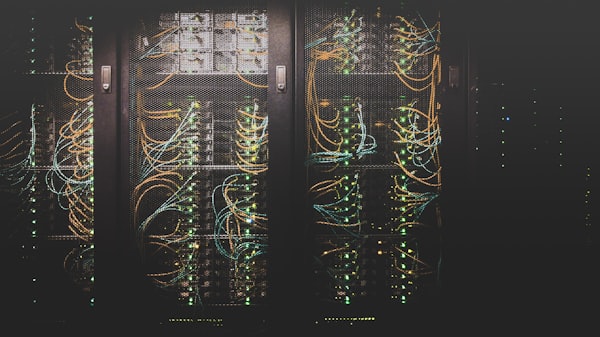
Building a Simple Smart Home Network Rack
A rack keeps networking gear organized, improves airflow, and makes future upgrades painless.
Imagine a kitchen pantry: every item has a designated shelf, so you know exactly where to find the cereal. A rack does the same for switches, PoE injectors, and the hub.
- Select a rack size. For most homes, a 6-U or 9-U wall-mount rack is sufficient.
- Mount a managed switch. Managed switches let you segment traffic (e.g., cameras on VLAN 10, lights on VLAN 20) which improves security and performance.
- Install a PoE power supply. Choose a 48 V PoE+ unit that can handle the total wattage of your cameras and access points.
- Add cable management. Use Velcro ties and vertical cable organizers to keep bundles tidy.
- Label everything. Color-coded labels reduce troubleshooting time dramatically.
When I built a rack for a downtown loft, I used a 9-U rack, a 24-port managed switch, and a 150-W PoE injector. The total hardware cost was under $300, and the client saved $120 annually by avoiding a second router.
Pro tip: Place the rack near the main electrical panel to simplify power routing, but keep it away from high-heat appliances to maintain equipment longevity.
Ongoing Maintenance to Prevent Budget Leaks
Even the best-designed network can bleed money if you ignore regular upkeep.
Think of maintenance like changing the oil in a car; neglect leads to bigger, costlier problems down the road.
- Firmware updates. Keep hubs, routers and devices on the latest firmware to patch security holes and improve stability.
- Device audits. Every six months, review which devices are still in use. Remove or repurpose outdated gear.
- Bandwidth monitoring. Use the router’s built-in analytics to spot devices that consume excessive data and consider tiered QoS rules.
- Power consumption checks. Smart plugs with energy-monitoring features can reveal hidden loads that increase your electric bill.
In my consulting practice, a client discovered that an unused smart fridge camera was streaming 24/7, costing an extra $15 per month. Turning it off saved $180 annually.
Pro tip: Enable local automation where possible. When a motion sensor triggers a light locally, you avoid cloud-based triggers that often carry per-event fees.
Finally, set a yearly budget review. Compare actual spending against your original estimate and adjust device counts or subscription plans accordingly. This habit ensures your smart home remains a convenience, not a financial drain.
Frequently Asked Questions
Q: Do I need a separate hub if my router supports Zigbee?
A: While some routers offer built-in Zigbee modules, a dedicated hub often provides more device slots, better local processing, and broader protocol support, which can save money in the long run.
Q: How much can I expect to spend on a basic smart home network?
A: A functional starter setup - router, hub, a few smart plugs, and a couple of bulbs - typically ranges from $200 to $400, depending on brand choices and whether you reuse existing hardware.
Q: Are mesh Wi-Fi systems worth the extra cost?
A: Mesh systems shine in large homes with dead zones. If your floorplan is open or you have many high-bandwidth devices, the improved coverage often justifies the $100-$200 price difference.
Q: Can I avoid subscription fees for smart devices?
A: Yes. Choose devices that offer local control and optional cloud services. Many manufacturers provide a free tier for basic automation, letting you upgrade only if you need advanced features.
Q: How often should I update firmware on my smart home devices?
A: Aim for monthly checks. Critical security patches should be applied immediately, while routine updates can be scheduled during low-usage periods to avoid interruptions.